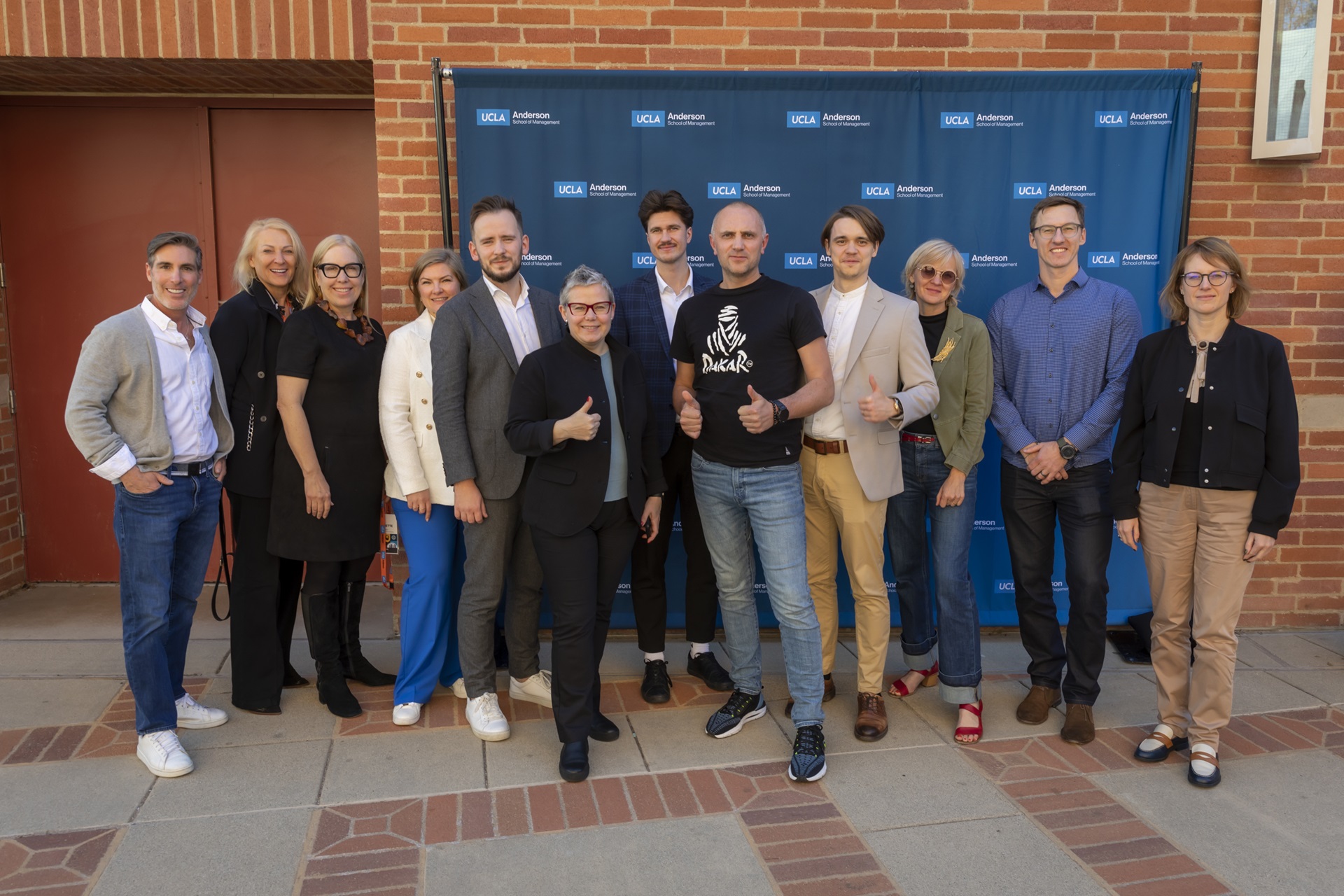

A successful pitch to investors is the first step toward attracting capital and building long-term business relationships. This was the focus of a seminar organized by the Innovation Agency’s Lithuania project InnoHub Lithuania, where mentor Simonas Grigenas – an experienced founder and venture capital expert who has collaborated with funds such as Andreessen Horowitz and 500 Global – shared his insights. Having analyzed more than 3,000 business deals, he emphasized that the key to a strong presentation is not the amount of information, but the ability to spark enough interest for investors to invite you to a follow-up meeting.
“The U.S. has recently been one of the most discussed countries, and we often hear the question of whether it’s still worth focusing on this market. Although the changing situation raises uncertainty, the U.S. will certainly not disappear from our economic and innovation horizon. After all, it remains the world’s largest economy and, most importantly, one of the most active investors,” said Indrė Balčiūnaitė, Head of the International Partnerships Department at the Innovation Agency Lithuania.
Five Essential Elements
As Grigenas highlighted during the seminar: “The main goal of a pitch is not to reveal everything at once, but to create a hook that captures the investor’s attention and motivates them to meet again.”
He also noted that investors usually spend only about a minute reviewing a pitch deck sent via email, so it must be concise and clear.
According to the expert, an effective presentation should include five key elements, which can appear as separate slides or be naturally woven into the content:
- A one-sentence slogan that grabs attention within three seconds;
- A hook, such as a compelling statistic or story;
- Traction indicators, showing business potential even at an early stage;
- A clear problem and solution, demonstrating real market need;
- A presentation of a strong, experienced team.
“In an email, sometimes just the company logo and slogan are enough – this can be sufficient to make an investor want to learn more,” Grigenas shared.
Traction – The Strongest Argument
Grigenas emphasized: “It’s especially important to highlight traction if it’s your company’s strength. It’s a key signal for North American investors.”
He reminded participants of the ‘rule of three’: “When presenting data, focus on no more than three main quantitative metrics – for example, annual revenue, monthly recurring revenue (MRR), or monthly growth rate.”
The Role of the Problem and the Team
“Investors are more interested in the problem you’re solving than in your technology or patents,” said Grigenas.
He encouraged founders to avoid excessive technical details and instead tell customer stories that demonstrate real market demand and interaction with clients.
Regarding the team, the expert added: “What matters most is the experience and connections necessary for product commercialization. Advisors should only be mentioned if they are exceptional and well-known – this shows the founders’ ability to attract high-quality people.”
Final Message and Common Mistakes
The final slide should summarize the three main advantages – for example, growth rates or team strengths – and remain visible during the rest of the presentation or Q&A session.
Grigenas advised:“There’s no need to urge investors to get in touch – if they’re interested, they will. However, your contact number or email should always be provided.”
He also identified several common mistakes that can harm the impression:“Too much information, unclear or exaggerated achievements, excessive focus on technology, and vague data. Always provide specific facts, such as revenue growth rates or customer acquisition costs.”